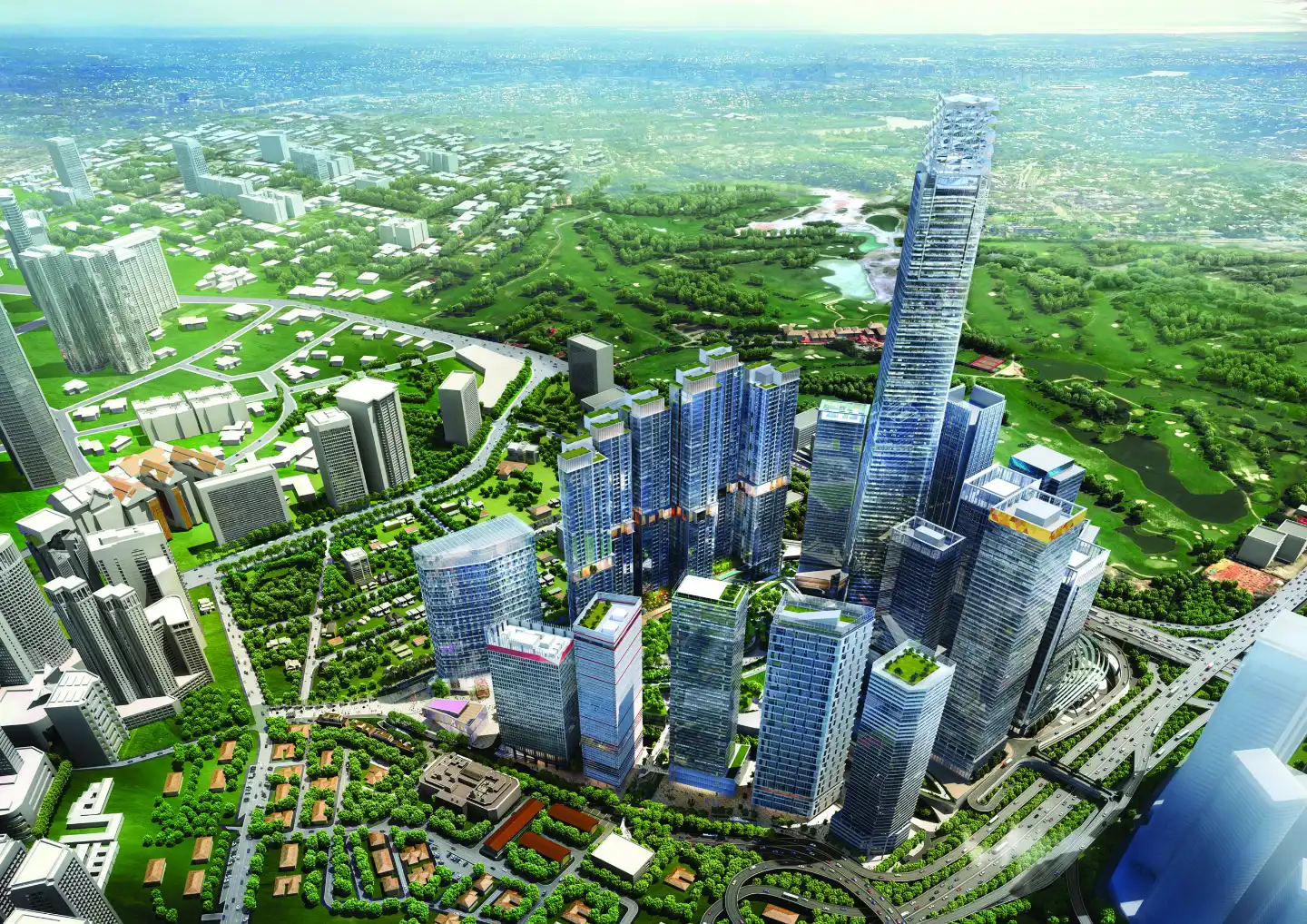
TRX Kuala Lumpur Attracts Over 20,000 Knowledge Workers as Financial Hub Expands
Tun Razak Exchange (TRX) in Kuala Lumpur is home to more than 30,000 workers across over 120 companies, including more than 20,000 knowledge professionals, reinforcing its position as Malaysia’s designated international financial centre.
According to TRX City chief executive officer Datuk Azmar Talib, approximately 90% of the district’s tenants are international companies, with its professional workforce expected to double as the development matures.
The figures were highlighted in a South China Morning Post feature produced in partnership with TRX City, originally published in May 2026.
Among the companies contributing to the district’s international business ecosystem are Ant International, which has established its ASEAN hub at TRX, and CGS International Securities.
The development comes as Kuala Lumpur continues improving its international financial centre ranking, reaching 39th place in the Global Financial Centres Index 40 released in September 2026.
For Kuala Lumpur’s commercial property market, TRX offers a useful example of how office infrastructure, multinational corporate activity and transport accessibility can be concentrated within a master-planned financial district.
TRX City Reports More Than 20,000 Knowledge Workers
TRX City, the master developer of the 70-acre financial district, has positioned Tun Razak Exchange as a destination for international companies establishing regional headquarters, business operations and specialist centres.
According to Azmar, the district has attracted more than 20,000 professionals, particularly in finance and technology.
The anticipated increase in the professional workforce reflects the developer’s expectations as additional commercial components become operational.
However, the projected doubling of knowledge workers remains a forward-looking estimate rather than an employment target already achieved.
The concentration of professional services firms and technology companies is important because international financial centres depend on more than office space.
Banks, financial institutions, professional advisers and technology providers often benefit from operating close to potential clients, business partners and specialised talent.
The ability to accommodate these activities within a connected commercial district is a central component of TRX’s long-term positioning.
Ant International Establishes ASEAN Hub at TRX
Ant International is among the prominent international companies operating within the district.
The financial technology company has established its ASEAN hub at TRX, using Kuala Lumpur as a regional base for expanding digital payments and financial services.
The presence of a regional headquarters is commercially relevant because it brings corporate functions and specialised employment into Kuala Lumpur.
It may also encourage collaboration with financial institutions, professional service providers and other technology businesses already operating within the district.
Jake Xue, Ant International’s general manager of global business services and support, has highlighted the advantages of being located near financial institutions and business partners.
CGS International Securities has similarly identified TRX’s regional connectivity as a benefit.
Its Malaysia country head, Alan Inn, described the district as a platform connecting business opportunities within Malaysia and across neighbouring markets.
These examples illustrate the type of corporate activity TRX City is seeking to attract.
Nevertheless, individual company announcements should not be interpreted as evidence that every office building in TRX is fully occupied or that all future commercial space has been secured by tenants.
Kuala Lumpur Climbs to 39th in Global Financial Centres Index
Kuala Lumpur’s international financial standing has also improved during 2026.
The Global Financial Centres Index 39, published in March, placed the Malaysian capital 42nd globally, an improvement of three positions from the preceding edition.
In September 2026, the subsequent GFCI 40 ranked Kuala Lumpur 39th.
The index evaluates financial centres using business environment, financial sector development, infrastructure, human capital and other competitiveness indicators.
For Malaysia, the improvement provides a useful reference point in assessing Kuala Lumpur’s position within the international financial services landscape.
However, the ranking measures Kuala Lumpur as a financial centre rather than TRX as an individual property development.
It would therefore be inaccurate to attribute the entire improvement directly to TRX.
The district is one component of a wider financial ecosystem that includes Malaysia’s banking industry, capital markets, regulatory framework, professional services and international business activity.
MRT Connectivity and Integrated Development Support TRX’s Positioning
Tun Razak Exchange occupies approximately 70 acres within central Kuala Lumpur, combining Grade A commercial offices with residential developments, retail, hospitality and public spaces.
A defining feature is the Tun Razak Exchange MRT interchange, connecting the Kajang Line and Putrajaya Line.
The station allows commuters to access the district from different parts of the Klang Valley without relying exclusively on private vehicles.
The Exchange TRX shopping mall and TRX City Park provide additional amenities for office workers, residents and visitors.
This integration supports a working environment where daily services, dining, shopping and transport facilities are located within the same district.
For multinational corporations, these factors may contribute to decisions about office location, particularly when competing for employees who value commuting convenience and workplace amenities.
However, rental costs, office specifications, company requirements and broader labour-market considerations remain important.
A connected district can improve accessibility, but it does not eliminate Kuala Lumpur’s wider traffic and commuting challenges.
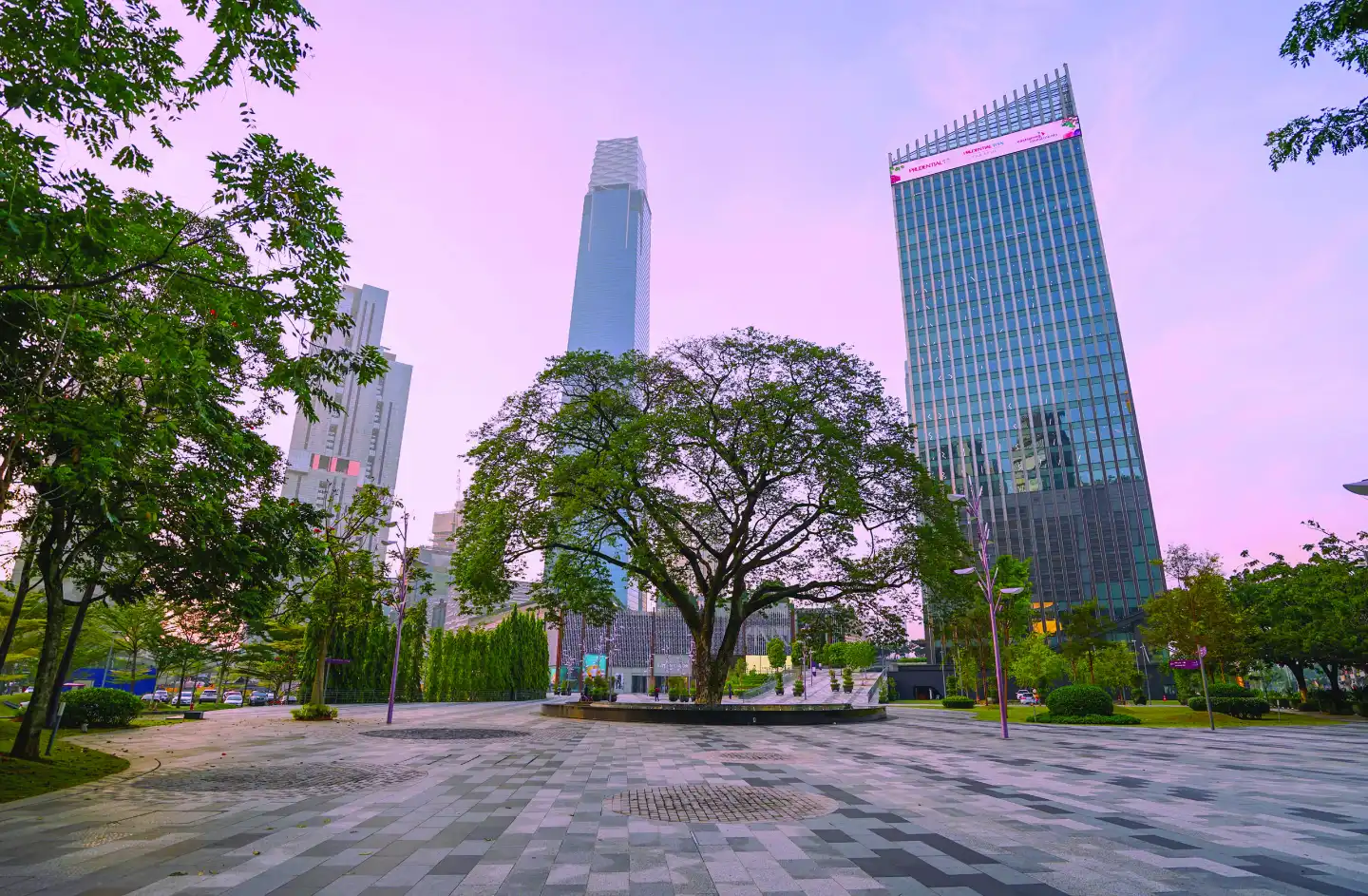
What TRX’s Corporate Growth Means for Nearby Property Markets
The concentration of international businesses and knowledge workers has implications for the surrounding commercial and residential market.
Developments within TRX and nearby areas such as Bukit Bintang, Jalan Tun Razak and the KLCC fringe may attract interest from professionals seeking convenient access to employment centres.
For owner-occupiers, proximity to the MRT network and daily amenities can influence residential preferences.
For investors, the presence of corporate employment provides a potential tenant base, particularly for centrally located apartments and serviced residences.
Nevertheless, 20,000 knowledge workers should not be translated directly into an equivalent number of rental households.
Employees may already own homes, commute from other parts of the Klang Valley or share accommodation with family members.
Furthermore, residential developments surrounding TRX compete across different price ranges, unit sizes and ownership structures.
Rental demand must therefore be evaluated using actual transactions, achievable rents and competing supply rather than employment figures alone.
TRX’s Next Phase Depends on Sustained Business Activity
The concentration of international companies within TRX marks meaningful progress in Kuala Lumpur’s effort to develop a more internationally connected financial district.
With more than 20,000 knowledge workers already reported and additional commercial development planned, the precinct is moving beyond its initial infrastructure and construction stages.
Its longer-term competitiveness will depend on retaining international businesses, supporting financial and technology activity, and maintaining an environment attractive to skilled professionals.
For Kuala Lumpur’s property market, the commercial significance lies in whether this employment ecosystem translates into sustained demand for offices, supporting services and appropriately positioned residential accommodation.
TRX’s next chapter will be measured less by the number of towers completed and more by the businesses, employment opportunities and economic activity that remain within the district over time.